
What we monitor
The equipment that keeps your lines running
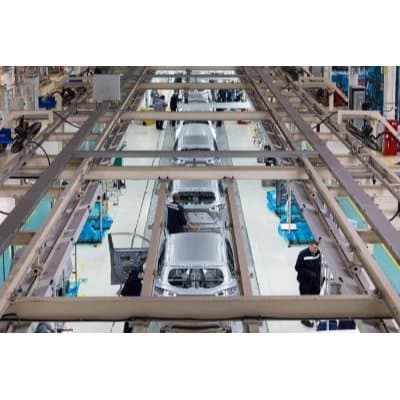
Assembly Lines
Conveyors, stations, and tooling orchestrated for takt. Condition monitoring, cycle drift detection, and early warnings for mechanical wear.
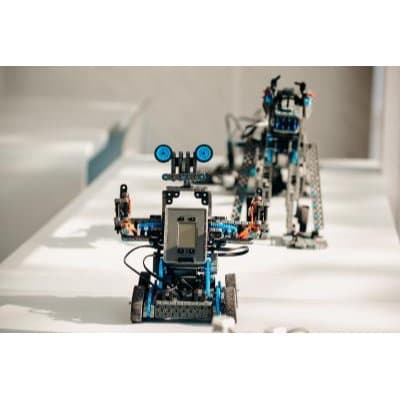
Robotic Systems
Welding and painting robots operating at high speed. Joint torque tracking, path accuracy monitoring, and calibration scheduling.
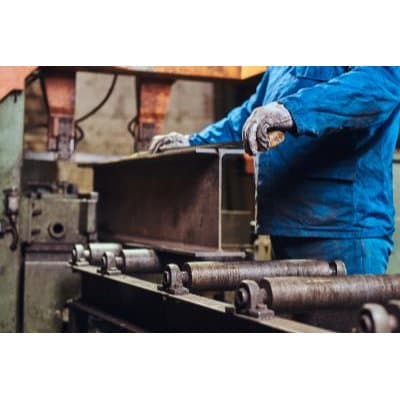
Stamping & Press Lines
High-tonnage presses under extreme mechanical stress. Press health monitoring, die wear tracking, and lubrication anomaly detection.
Sound familiar?
Line stoppages cascade
A single robot cell goes down and the entire body shop backs up. Downstream paint and assembly lines idle while maintenance scrambles. JIT schedules don't have buffer for reactive repairs.
Skilled labor shortage
The technicians who understood legacy stamping presses and paint booth robotics are retiring. New hires take months to get up to speed, and the knowledge gap grows with every departure.
Multi-line scheduling impossible
Body, paint, and assembly lines are interdependent. Scheduling maintenance on one without disrupting the others requires institutional knowledge that's rarely documented.
How Dovient works
An AI copilot that understands automotive production, takt time, and multi-line dependencies
Dovient connects to your existing equipment, CMMS, and sensor data. The AI agents learn your plant's patterns and proactively manage the work your team shouldn't have to do manually.
Predictive monitoring for presses and robots
Agents track servo torque, vibration signatures, and thermal patterns across your press lines and robot cells. Work orders are generated with probable root causes before failures occur.
Catches failures 2 to 4 weeks before they cause line stops.
JIT maintenance aligned to takt time
Maintenance tasks are scheduled into natural takt buffers, shift changes, and planned changeovers. No more emergency repairs during production runs.
Maintenance fits into production, not the other way around.
Multi-line dependency tracking
The system understands how body, paint, and assembly lines interact. When one line degrades, downstream impacts are flagged before they cascade.
Prevents cascading failures across interconnected lines.
Tribal knowledge capture for complex setups
Every repair, adjustment, and workaround is captured in a searchable knowledge base. New technicians get guided procedures instead of learning by trial and error.
Cuts new hire ramp-up time by 50%.
Outcomes
What changes in your first 90 days
Robot teach-pendant adjustments undocumented
Robot teach-pendant adjustments logged automatically with before/after parameters
Line stoppages discovered when downstream stations idle
Line stoppages predicted before they cascade across departments
Changeover procedures vary by shift and operator
Changeover procedures standardized across all shifts and lines
Maintenance scheduled when equipment breaks
Maintenance scheduled in planned windows, not during production