
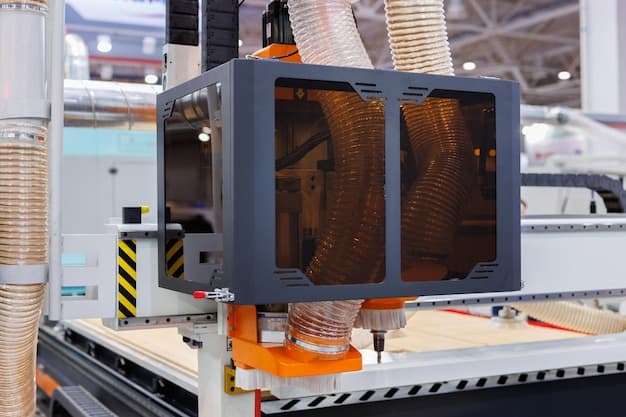
Despatch (ITW EAE) PCC at a glance
The Dovient library currently covers 6 published troubleshooting guides for the Despatch (ITW EAE) PCC, with 48 individual procedure steps distilled from OEM manuals and field experience. On average, a fix on this machine runs 8 steps and roughly ≈1 hr on tools. Complexity is classified as heavy, the average fix on this machine runs multiple hours, touches several sub-systems, and is usually planned work rather than reactive.
Failure modes to watch for
Every guide in the Despatch (ITW EAE) PCC library lists the candidate root causes its procedure rules out. These are the distinct failure modes we've documented so far, a useful starting point if you don't yet know which specific alarm or symptom you're chasing.
One or more heating elements failed, reducing watt density in that zone
Refractory cracks allowing ambient air infiltration and cold spots
Blower or recirculation fan running at reduced capacity, reducing hot-air mixing
Oven door seal deteriorated, admitting cold air near the door
UV flame sensor degraded, providing a weak signal to the burner safety control
Fuel supply pressure low or fluctuating, preventing stable combustion
Igniter electrode fouled with carbon or positioned too far from the fuel nozzle
Combustion air proving switch tripped due to blocked intake or failed blower
Tools you'll need most
These tools are referenced most often across the Despatch (ITW EAE) PCC troubleshooting guides. If you service this equipment regularly, keep them on the cart.
Sources we cite for this machine
Every procedure on Dovient is cross-checked against published sources. These are the references cited most often in the Despatch (ITW EAE) PCC guides.
- cited 6×
Despatch PCC Industrial Cabinet Oven Operation and Maintenance Manual
Despatch (ITW EAE)
Every published guide for this machine
How to diagnose burner trips on a Despatch PCC industrial oven
Burner lockout is most often a failed UV flame sensor or fuel supply pressure drop. Check fuel pressure first, then test the flame sensor output with a multimeter.
How to clear a stuck conveyor or charge inside a Despatch PCC industrial oven
A stuck conveyor inside the oven is a fire and product-damage risk. Turn off the heat immediately, do not open the door until below 50 C, then diagnose the drive or roller failure.
How to reduce high fuel consumption on a Despatch PCC industrial oven
High fuel consumption almost always means heat is escaping: damaged refractory, failed door seals, or excess air in the combustion mix. Inspect the refractory and door gaskets first.
How to fix long heat-up time on a Despatch PCC industrial oven
Slow heat-up is usually one or more degraded heating elements or a failed power contactor on a zone. Measure element resistance to find the weak zone.
How to assess and repair refractory cracks in a Despatch PCC industrial oven
Refractory cracks are caused by thermal cycling fatigue. Hairline surface cracks can be sealed with refractory cement; through-cracks or spalled panels need full panel replacement.
How to fix uneven temperature distribution in a Despatch PCC industrial oven
Temperature uniformity problems in the Despatch PCC usually trace to a failed heating element on one zone, blocked airflow, or refractory cracks allowing cold air infiltration.
Frequently asked questions
What are the most common Despatch (ITW EAE) PCC problems?
The most frequently reported issues on the Despatch (ITW EAE) PCC include how to diagnose burner trips on a despatch pcc industrial oven, how to clear a stuck conveyor or charge inside a despatch pcc industrial oven, how to reduce high fuel consumption on a despatch pcc industrial oven. Each has a step-by-step troubleshooting guide on this page.
How long does a typical Despatch (ITW EAE) PCC repair take?
Repair time depends on the failure mode. Routine adjustments typically take 30-90 minutes; component replacements run 2-4 hours; major overhauls can take a full shift or more. The procedures linked above list estimated time per problem.
Can these procedures be done by an in-house technician?
Most procedures on this page are designed for a qualified in-house maintenance technician with the listed tools and parts. Procedures requiring OEM-only access (firmware updates, factory calibration) are flagged in the safety warnings.
Are these guides verified against OEM documentation?
Every procedure cites the source manuals, service bulletins, or published references it draws from. The Despatch (ITW EAE) PCC guides cross-check against 1 source(s) cited above.
Images on this page sourced from Freepik. Credits: Ansarrio, studiopeace.