
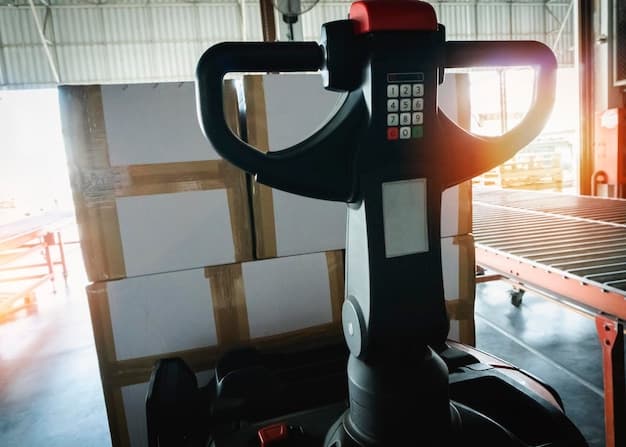
Toyota Material Handling 8FGU at a glance
The Dovient library currently covers 6 published troubleshooting guides for the Toyota Material Handling 8FGU, with 42 individual procedure steps distilled from OEM manuals and field experience. On average, a fix on this machine runs 7 steps and roughly 45 min on tools. Complexity is classified as heavy, the average fix on this machine runs multiple hours, touches several sub-systems, and is usually planned work rather than reactive.
Failure modes to watch for
Every guide in the Toyota Material Handling 8FGU library lists the candidate root causes its procedure rules out. These are the distinct failure modes we've documented so far, a useful starting point if you don't yet know which specific alarm or symptom you're chasing.
One or more battery cells failed (dead or reversed), reducing total capacity and causing the full pack to collapse early
Charger fault or damaged charger connector, delivering incomplete charge cycles
Battery deeply discharged and sulfated from chronically running to near-empty before recharging
Parasitic draw from a wiring fault keeping a control circuit energized when the truck is parked
Worn hydraulic gear pump with internal leakage, reducing volumetric efficiency at load pressure
Relief valve pressure set too low or valve stuck partially open, venting oil before lift pressure is reached
Low hydraulic oil level, causing cavitation and reduced flow
Contaminated hydraulic oil degraded by water ingress or overheating
Tools you'll need most
These tools are referenced most often across the Toyota Material Handling 8FGU troubleshooting guides. If you service this equipment regularly, keep them on the cart.
Sources we cite for this machine
Every procedure on Dovient is cross-checked against published sources. These are the references cited most often in the Toyota Material Handling 8FGU guides.
- cited 6×
Toyota 8-Series Forklift Operator and Maintenance Manual
Toyota Material Handling
Every published guide for this machine
How to fix rapid battery discharge on a Toyota 8FGU forklift
Rapid discharge is usually a dead cell or a charger that is not completing full charge cycles. Measure individual cell voltages fully charged to identify a dead or reversed cell.
How to fix brake fade on a Toyota 8FGU forklift
Brake fade with a spongy pedal means fluid contamination or worn pads. Check brake fluid for water contamination first (boiling point drops sharply with water content), then measure pad thickness.
How to fix slow hydraulic lift on a Toyota 8FGU forklift
Slow lift under load is usually a worn gear pump or a relief valve set below spec. Check hydraulic oil level first, then measure lift pressure against the Toyota specification.
How to fix a mast cylinder seal leak on a Toyota 8FGU forklift
A weeping cylinder rod seal must be replaced. Inspect the rod for scoring before fitting a new seal. A scored rod will cut the new seal immediately.
How to fix hard or loose steering on a Toyota 8FGU forklift
Hard steering points to the power steering pump or orbitrol valve. Loose steering with clunking is tie-rod or king pin wear. Check steering fluid level before anything else.
How to assess and fix tire wear and damage on a Toyota 8FGU forklift
Replace tires when the wear indicator groove is gone or when chunking covers more than 10% of the tread. Check wheel alignment and rated load before fitting new tires.
Frequently asked questions
What are the most common Toyota Material Handling 8FGU problems?
The most frequently reported issues on the Toyota Material Handling 8FGU include how to fix rapid battery discharge on a toyota 8fgu forklift, how to fix brake fade on a toyota 8fgu forklift, how to fix slow hydraulic lift on a toyota 8fgu forklift. Each has a step-by-step troubleshooting guide on this page.
How long does a typical Toyota Material Handling 8FGU repair take?
Repair time depends on the failure mode. Routine adjustments typically take 30-90 minutes; component replacements run 2-4 hours; major overhauls can take a full shift or more. The procedures linked above list estimated time per problem.
Can these procedures be done by an in-house technician?
Most procedures on this page are designed for a qualified in-house maintenance technician with the listed tools and parts. Procedures requiring OEM-only access (firmware updates, factory calibration) are flagged in the safety warnings.
Are these guides verified against OEM documentation?
Every procedure cites the source manuals, service bulletins, or published references it draws from. The Toyota Material Handling 8FGU guides cross-check against 1 source(s) cited above.
Images on this page sourced from Freepik. Credits: oksix, 1933bkk.