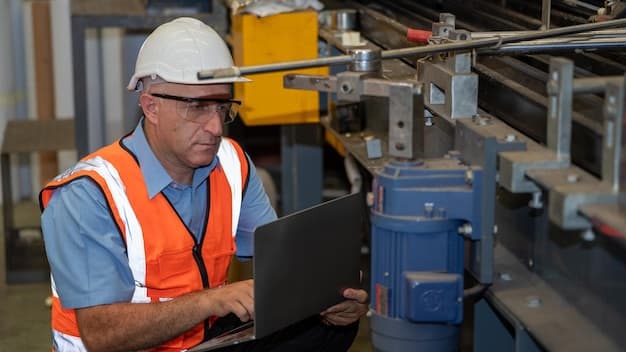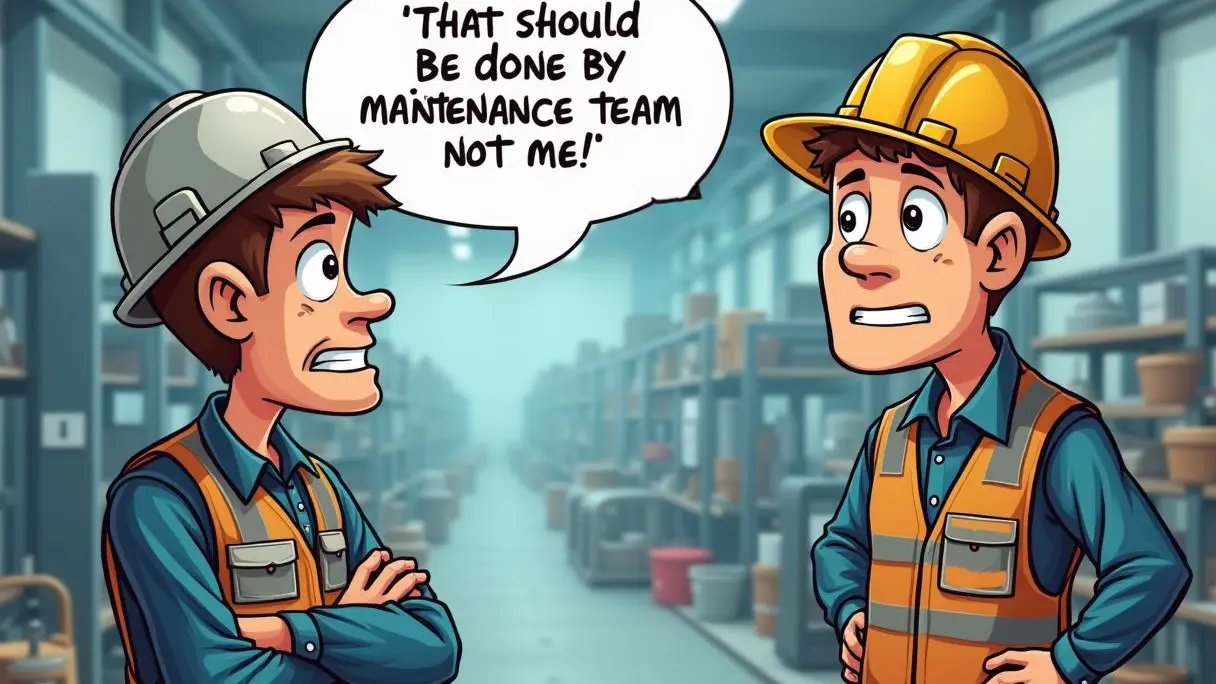
Autonomous Maintenance (AM) is a key pillar of Total Productive Maintenance (TPM), emphasizing operator-led care of equipment through tasks like cleaning, inspection, lubrication, and minor adjustments. While AM is designed to improve equipment reliability and empower operators, the question remains:
Is it a responsibility that enhances ownership or a burden that adds to their workload?
The Case for AM as a Responsibility
When implemented effectively, AM fosters a sense of ownership among operators, making them proactive in maintaining their machines. Here’s why it works:
1. Increased Ownership and Engagement
Operators who care for their equipment tend to take more pride in their work. Instead of waiting for breakdowns to happen, they actively prevent them, improving overall efficiency.
2. Reduced Downtime and Improved Efficiency
Regular inspections and preventive actions help identify potential failures early, reducing the need for emergency maintenance and ensuring smooth production flow.
3. Skill Development and Career Growth
Learning basic maintenance skills enhances an operator’s technical capabilities, making them more valuable within the organization and opening doors for career progression.
4. Enhanced Workplace Safety
Routine checks prevent hazards caused by neglected wear and tear. A well-maintained machine is a safer machine, reducing the likelihood of workplace accidents.
5. Strengthened Collaboration Between Teams
When operators take charge of basic maintenance, it frees up technical teams to focus on complex repairs and improvements. This synergy results in a more proactive maintenance strategy.
Why AM Can Feel Like a Burden
Despite its benefits, some organizations struggle with AM adoption, often due to poor execution. Here’s why operators might see it as an additional burden:
1. Increased Workload Without Adjustments
If AM is treated as an add-on responsibility without adjusting an operator’s core duties, it can lead to frustration and resistance.
2. Lack of Proper Training
Expecting operators to maintain machines without proper training sets them up for failure, leading to confusion, inefficiency, and even accidental damage.
3. Resistance to Change
Traditionally, maintenance has been a separate function, and operators may resist taking on what they perceive as someone else’s job.
4. Time Constraints in Fast-Paced Environments
High-production environments leave little room for additional tasks. Without structured time allocation, operators may rush through maintenance or neglect it entirely.
5. Fear of Accountability
Operators may feel pressured, worrying they will be blamed for failures if something goes wrong, especially when expectations are unclear.
How to Ensure AM Feels Like a Responsibility, Not a Burden
For AM to succeed, organizations must create a system that supports and motivates operators. Here’s how:
✔ Provide hands-on training and clear guidelines to boost operator confidence.
✔ Incentivize participation through recognition, rewards, and career advancement opportunities.
✔ Integrate AM into daily routines rather than making it an extra task.
✔ Clearly define roles to prevent confusion about responsibilities.
✔ Leverage technology, such as CMMS (Computerized Maintenance Management Systems), to make it easy for operators to track and complete routine maintenance effortlessly.
Making Autonomous Maintenance Meaningful
For operators to truly embrace Autonomous Maintenance, it must offer both purpose and motivation-not just additional tasks. For leaders in manufacturing, the challenge is to ensure AM is seen as an opportunity rather than an obligation. If AM feels like a one-sided responsibility without clear benefits for them, it will always be seen as a burden rather than a meaningful role. A win-win strategy is essential: organizations must integrate AM in a way that aligns with both operational efficiency and the personal growth of operators. Without this balance, operators cannot form a real connection with their work, leading to disengagement and resistance. Only when AM becomes a tool for both business success and individual fulfillment can it drive lasting improvements.
Choosing maintenance software? Start here
Ready to reduce downtime by up to 30%?
See how Dovient's verified AI for maintenance and reliability helps manufacturing plants cut MTTR, boost first-time fix rates, and build a smarter maintenance operation.
Latest Articles

Best CMMS Alternatives in 2026: Why Manufacturers Are Switching to AI
Mar 27, 2026
Prevent & Reduce Unplanned Downtime: 7 Proven Strategies
Mar 27, 2026
How to Capture Tribal Knowledge in Manufacturing (5 Methods)
Mar 26, 2026
SAP PM Alternative: Why Modern Manufacturers Are Moving to AI-First Maintenance
Mar 25, 2026
AI in Manufacturing Maintenance: 200-500% ROI Guide (2026)
Mar 24, 2026