
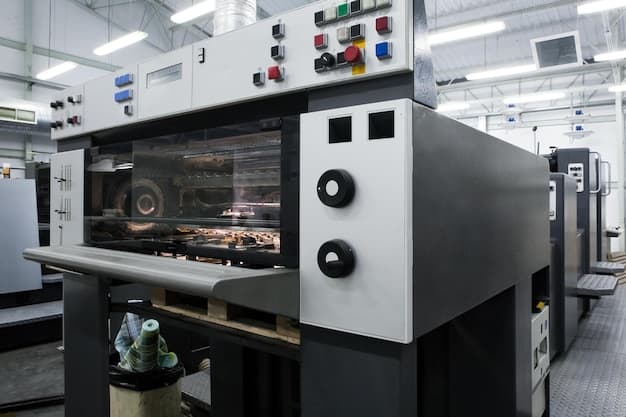
Fuji Fuji NXT II / NXT III at a glance
The Dovient library currently covers 3 published troubleshooting guides for the Fuji Fuji NXT II / NXT III, with 22 individual procedure steps distilled from OEM manuals and field experience. On average, a fix on this machine runs 7 steps and roughly 30 min on tools. Complexity is classified as moderate, typical repairs on this machine need a qualified technician, a planned stop, and between thirty minutes and an hour on tools.
Failure modes to watch for
Every guide in the Fuji Fuji NXT II / NXT III library lists the candidate root causes its procedure rules out. These are the distinct failure modes we've documented so far, a useful starting point if you don't yet know which specific alarm or symptom you're chasing.
Camera lens contamination reducing contrast and recognition confidence
LED illumination module degradation reducing image brightness
Component library image outdated or wrong for the current component lot
Nozzle tip particle buildup causing incorrect component silhouette
Nozzle tip wear or particle buildup altering component grip and release position
Head camera or board camera calibration drift
Feeder tape pitch error or worn sprocket causing component pickup offset
Linear encoder feedback degradation on the X or Y axis
Tools you'll need most
These tools are referenced most often across the Fuji Fuji NXT II / NXT III troubleshooting guides. If you service this equipment regularly, keep them on the cart.
Sources we cite for this machine
Every procedure on Dovient is cross-checked against published sources. These are the references cited most often in the Fuji Fuji NXT II / NXT III guides.
- cited 3×
Fuji Fuji NXT II / NXT III SMT Pick-and-Place general technical documentation
Fuji
Every published guide for this machine
How to fix feeder misfeed or component jam on a Fuji NXT II / NXT III
Misfeeds are usually a bent tape, a worn sprocket, or incorrect component height in the feeder cover. Check the tape path and sprocket engagement before changing feeder parameters.
How to fix placement accuracy drift on a Fuji NXT II / NXT III pick-and-place machine
Placement drift is usually a nozzle wear, camera calibration error, or feeder sprocket wear. Run the vision calibration and nozzle inspection first.
How to fix vision recognition failure on a Fuji NXT II / NXT III
Vision failures are most often dirty camera lens, incorrect component library parameters, or LED illumination degradation. Clean the lens and verify the component image library entry.
Frequently asked questions
What are the most common Fuji Fuji NXT II / NXT III problems?
The most frequently reported issues on the Fuji Fuji NXT II / NXT III include how to fix feeder misfeed or component jam on a fuji nxt ii / nxt iii, how to fix placement accuracy drift on a fuji nxt ii / nxt iii pick-and-place machine, how to fix vision recognition failure on a fuji nxt ii / nxt iii. Each has a step-by-step troubleshooting guide on this page.
How long does a typical Fuji Fuji NXT II / NXT III repair take?
Repair time depends on the failure mode. Routine adjustments typically take 30-90 minutes; component replacements run 2-4 hours; major overhauls can take a full shift or more. The procedures linked above list estimated time per problem.
Can these procedures be done by an in-house technician?
Most procedures on this page are designed for a qualified in-house maintenance technician with the listed tools and parts. Procedures requiring OEM-only access (firmware updates, factory calibration) are flagged in the safety warnings.
Are these guides verified against OEM documentation?
Every procedure cites the source manuals, service bulletins, or published references it draws from. The Fuji Fuji NXT II / NXT III guides cross-check against 1 source(s) cited above.
Images on this page sourced from Freepik. Credits: hujur1100, igterex.