
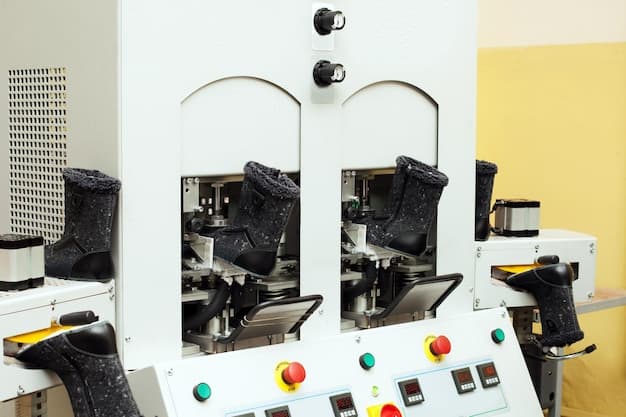
Parker Hannifin PV Series at a glance
The Dovient library currently covers 8 published troubleshooting guides for the Parker Hannifin PV Series, with 61 individual procedure steps distilled from OEM manuals and field experience. On average, a fix on this machine runs 8 steps and roughly ≈1 hr on tools. Complexity is classified as heavy, the average fix on this machine runs multiple hours, touches several sub-systems, and is usually planned work rather than reactive.
Failure modes to watch for
Every guide in the Parker Hannifin PV Series library lists the candidate root causes its procedure rules out. These are the distinct failure modes we've documented so far, a useful starting point if you don't yet know which specific alarm or symptom you're chasing.
Worn piston slippers, barrel, or valve plate causing internal bypass in the PV piston pump
Reduced pump speed from a worn or slipping coupling between motor and pump
System pressure relief valve set too low or stuck partially open, limiting effective system pressure
Contaminated fluid accelerating pump wear beyond the normal service interval
Failed or fouled oil-to-water or oil-to-air heat exchanger not removing heat from the fluid
Internal bypass through a worn pump, stuck relief valve, or stuck unloading valve, converting pressure energy to heat
Fluid viscosity too high for the ambient temperature, increasing churning losses
System undersized for the actual duty cycle, generating more heat than the cooler can remove
Tools you'll need most
These tools are referenced most often across the Parker Hannifin PV Series troubleshooting guides. If you service this equipment regularly, keep them on the cart.
Sources we cite for this machine
Every procedure on Dovient is cross-checked against published sources. These are the references cited most often in the Parker Hannifin PV Series guides.
- cited 8×
Parker PV Series Variable Volume Piston Pump Service Manual
Parker Hannifin Corporation
Every published guide for this machine
How to remediate contaminated hydraulic fluid in a Parker PV Series system
Contaminated fluid is the leading cause of premature pump and valve failure. Take a fluid sample, identify the contaminant type, replace the filter elements, and run a kidney loop filter until the ISO cleanliness target is met.
How to fix erratic actuator movement on a Parker PV Series hydraulic system
Jerky or erratic movement is usually air in the cylinder, a sticking directional control valve, or a pressure-compensator setting that is chasing load fluctuations. Purge air, inspect the valve spool, and verify the compensator setting.
How to eliminate foamy oil in a Parker PV Series hydraulic system
Foamy oil means air is mixing with the fluid. The most common entry points are the pump shaft seal, loose suction line fittings, and a return line that discharges above the fluid surface. Find the air entry point and seal it.
How to fix leaking cylinders on a Parker PV Series hydraulic system
Rod seal leaks are the most common cylinder fault. Depressurize, disassemble, and inspect the rod seal and rod surface. A scored rod or bore requires replating or honing before a new seal will hold.
How to fix a noisy Parker PV Series pump from aeration or cavitation
Pump noise with spongy actuator response and foamy fluid means air is entering the system. Check the suction line fittings, reservoir fluid level, and shaft seal before assuming the pump is worn.
How to fix overheating hydraulic fluid on a Parker PV Series system
Fluid overheating is most often a failed oil cooler, a blocked cooler passage, or an internal bypass circuit creating excess heat by throttling fluid across a pressure drop without doing work. Check the cooler first.
How to diagnose pressure loss in a Parker PV Series hydraulic system
Pressure loss under load means fluid is bypassing without doing work. Start with the relief valve. If it is set correctly and not stuck, measure pump case drain flow to distinguish a pump bypass fault from an actuator bypass fault.
How to fix slow operation from a worn pump on a Parker PV Series hydraulic system
Slow actuator movement with low system pressure usually means the pump is worn and bypassing internally. Measure case drain flow: if it is more than 10% of rated pump displacement, the pump is at end of life.
Frequently asked questions
What are the most common Parker Hannifin PV Series problems?
The most frequently reported issues on the Parker Hannifin PV Series include how to remediate contaminated hydraulic fluid in a parker pv series system, how to fix erratic actuator movement on a parker pv series hydraulic system, how to eliminate foamy oil in a parker pv series hydraulic system. Each has a step-by-step troubleshooting guide on this page.
How long does a typical Parker Hannifin PV Series repair take?
Repair time depends on the failure mode. Routine adjustments typically take 30-90 minutes; component replacements run 2-4 hours; major overhauls can take a full shift or more. The procedures linked above list estimated time per problem.
Can these procedures be done by an in-house technician?
Most procedures on this page are designed for a qualified in-house maintenance technician with the listed tools and parts. Procedures requiring OEM-only access (firmware updates, factory calibration) are flagged in the safety warnings.
Are these guides verified against OEM documentation?
Every procedure cites the source manuals, service bulletins, or published references it draws from. The Parker Hannifin PV Series guides cross-check against 1 source(s) cited above.
Images on this page sourced from Freepik. Credits: todayinfographic, rivertime.