
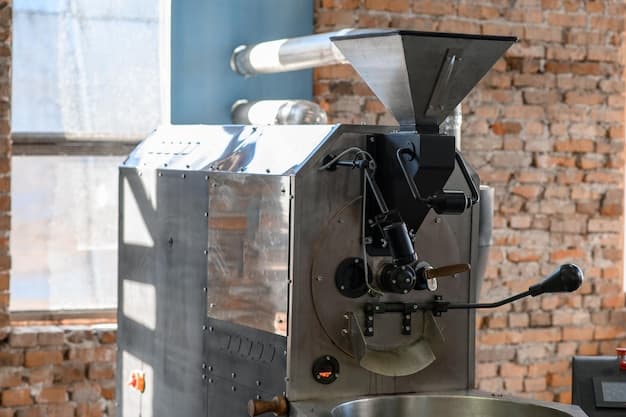
Sorg Sorg LoNOx Melter at a glance
The Dovient library currently covers 3 published troubleshooting guides for the Sorg Sorg LoNOx Melter, with 19 individual procedure steps distilled from OEM manuals and field experience. On average, a fix on this machine runs 6 steps and roughly ≈1 hr on tools. Complexity is classified as heavy, the average fix on this machine runs multiple hours, touches several sub-systems, and is usually planned work rather than reactive.
Failure modes to watch for
Every guide in the Sorg Sorg LoNOx Melter library lists the candidate root causes its procedure rules out. These are the distinct failure modes we've documented so far, a useful starting point if you don't yet know which specific alarm or symptom you're chasing.
Erosion of the refractory burner block by the high-velocity flame over the furnace campaign
Incorrect combustion air-gas ratio causing secondary combustion inside the burner block
Batch material splashing from the melt surface onto the burner block opening
Thermal cycling from reversal operation fatiguing the refractory at the port edges
Normal refractory wear from furnace gas stream erosion and batch carry-over over the campaign
Flame impingement on the crown from incorrect burner angles
Batch carryover from high pull rate depositing aggressive materials on the crown surface
Thermal cycling from temperature fluctuations cracking the refractory
Tools you'll need most
These tools are referenced most often across the Sorg Sorg LoNOx Melter troubleshooting guides. If you service this equipment regularly, keep them on the cart.
Sources we cite for this machine
Every procedure on Dovient is cross-checked against published sources. These are the references cited most often in the Sorg Sorg LoNOx Melter guides.
- cited 3×
Sorg Sorg LoNOx Melter Glass Tank Furnace general technical documentation
Sorg
Every published guide for this machine
How to detect and manage burner block erosion on a Sorg LoNOx Melter glass furnace
Burner block erosion changes the flame shape and melt temperature distribution. Track the burner port temperature on the external scan and plan a hot repair patch or campaign end rebuild when erosion reaches the critical dimension.
How to detect and manage crown refractory wear on a Sorg LoNOx Melter glass furnace
Crown refractory wear shows as a hot spot on the external scan. Track hot spot temperatures and schedule a crown repair or full rebuild based on the remaining crown thickness and hot spot growth rate.
How to detect and manage regenerator packing blockages on a Sorg LoNOx Melter furnace
Regenerator packing blockage reduces combustion air preheat temperature and increases fuel consumption. Monitor the air preheat trend and schedule a regenerator clean-out before blockage reaches 30% of packing volume.
Frequently asked questions
What are the most common Sorg Sorg LoNOx Melter problems?
The most frequently reported issues on the Sorg Sorg LoNOx Melter include how to detect and manage burner block erosion on a sorg lonox melter glass furnace, how to detect and manage crown refractory wear on a sorg lonox melter glass furnace, how to detect and manage regenerator packing blockages on a sorg lonox melter furnace. Each has a step-by-step troubleshooting guide on this page.
How long does a typical Sorg Sorg LoNOx Melter repair take?
Repair time depends on the failure mode. Routine adjustments typically take 30-90 minutes; component replacements run 2-4 hours; major overhauls can take a full shift or more. The procedures linked above list estimated time per problem.
Can these procedures be done by an in-house technician?
Most procedures on this page are designed for a qualified in-house maintenance technician with the listed tools and parts. Procedures requiring OEM-only access (firmware updates, factory calibration) are flagged in the safety warnings.
Are these guides verified against OEM documentation?
Every procedure cites the source manuals, service bulletins, or published references it draws from. The Sorg Sorg LoNOx Melter guides cross-check against 1 source(s) cited above.
Images on this page sourced from Freepik. Credits: surachetsh, specialday_studio.