
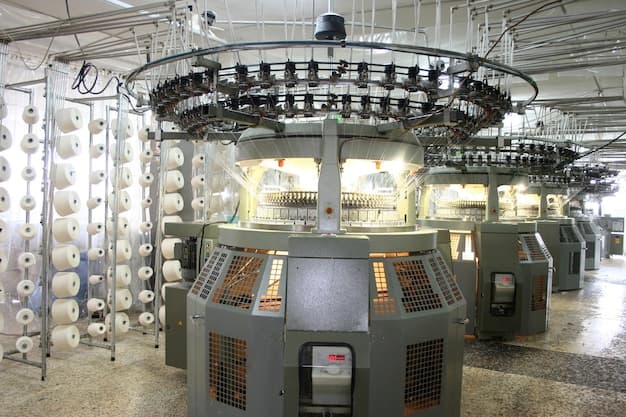
GEA Ariete GEA Ariete NS3037 / NS3075 at a glance
The Dovient library currently covers 3 published troubleshooting guides for the GEA Ariete GEA Ariete NS3037 / NS3075, with 21 individual procedure steps distilled from OEM manuals and field experience. On average, a fix on this machine runs 7 steps and roughly 45 min on tools. Complexity is classified as heavy, the average fix on this machine runs multiple hours, touches several sub-systems, and is usually planned work rather than reactive.
Failure modes to watch for
Every guide in the GEA Ariete GEA Ariete NS3037 / NS3075 library lists the candidate root causes its procedure rules out. These are the distinct failure modes we've documented so far, a useful starting point if you don't yet know which specific alarm or symptom you're chasing.
Seal lip wear from abrasive or highly viscous product
Plunger surface scoring from a foreign particle
Seal material incompatibility with CIP chemical concentration
Plunger misalignment from worn crosshead bearing
Belt stretch from extended operation reducing effective tension
Belt glazing from insufficient tension causing chronic micro-slip
Sheave groove wear reducing the wedging effect on V-belts
Belt contamination with product or cleaning chemical reducing friction
Tools you'll need most
These tools are referenced most often across the GEA Ariete GEA Ariete NS3037 / NS3075 troubleshooting guides. If you service this equipment regularly, keep them on the cart.
Sources we cite for this machine
Every procedure on Dovient is cross-checked against published sources. These are the references cited most often in the GEA Ariete GEA Ariete NS3037 / NS3075 guides.
- cited 3×
GEA Ariete GEA Ariete NS3037 / NS3075 Homogenizer general technical documentation
GEA Ariete
Every published guide for this machine
How to fix drive belt slip on a GEA Ariete NS3037 / NS3075 homogenizer
Belt slip on a high-pressure homogenizer reduces flow and pressure. Check belt tension first, then inspect for glazing or wear, and replace worn belts before increasing tension.
How to fix homogenizing valve wear on a GEA Ariete NS3037 / NS3075 homogenizer
Worn homogenizing valve seats cause particle size to increase and pressure drop to fall. Inspect the valve faces, measure seat dimensions, and replace worn components.
How to fix a plunger seal leak on a GEA Ariete NS3037 / NS3075 homogenizer
A plunger seal leak contaminates the seal area with product and can allow sanitation chemical ingress. Replace the seal and inspect the plunger surface before restarting.
Frequently asked questions
What are the most common GEA Ariete GEA Ariete NS3037 / NS3075 problems?
The most frequently reported issues on the GEA Ariete GEA Ariete NS3037 / NS3075 include how to fix drive belt slip on a gea ariete ns3037 / ns3075 homogenizer, how to fix homogenizing valve wear on a gea ariete ns3037 / ns3075 homogenizer, how to fix a plunger seal leak on a gea ariete ns3037 / ns3075 homogenizer. Each has a step-by-step troubleshooting guide on this page.
How long does a typical GEA Ariete GEA Ariete NS3037 / NS3075 repair take?
Repair time depends on the failure mode. Routine adjustments typically take 30-90 minutes; component replacements run 2-4 hours; major overhauls can take a full shift or more. The procedures linked above list estimated time per problem.
Can these procedures be done by an in-house technician?
Most procedures on this page are designed for a qualified in-house maintenance technician with the listed tools and parts. Procedures requiring OEM-only access (firmware updates, factory calibration) are flagged in the safety warnings.
Are these guides verified against OEM documentation?
Every procedure cites the source manuals, service bulletins, or published references it draws from. The GEA Ariete GEA Ariete NS3037 / NS3075 guides cross-check against 1 source(s) cited above.
Images on this page sourced from Freepik. Credits: romanzaiets, reflex-ajans.