
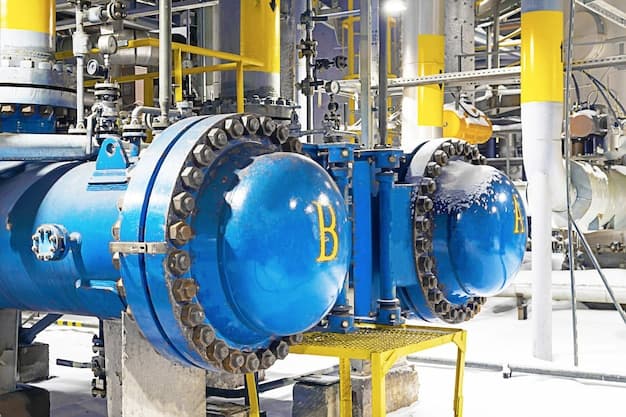
Goulds Pumps 3196 at a glance
The Dovient library currently covers 7 published troubleshooting guides for the Goulds Pumps 3196, with 52 individual procedure steps distilled from OEM manuals and field experience. On average, a fix on this machine runs 7 steps and roughly 45 min on tools. Complexity is classified as heavy, the average fix on this machine runs multiple hours, touches several sub-systems, and is usually planned work rather than reactive.
Failure modes to watch for
Every guide in the Goulds Pumps 3196 library lists the candidate root causes its procedure rules out. These are the distinct failure modes we've documented so far, a useful starting point if you don't yet know which specific alarm or symptom you're chasing.
Available Net Positive Suction Head (NPSHa) below the pump's NPSHr, most often from a restricted suction line or low suction-vessel level
Suction pipe undersized or partially blocked by a partially closed valve
Air or vapor ingress through a worn shaft seal or loose suction flange
Pump operating far right of the BEP (best efficiency point) causing internal recirculation
Impeller wear rings eroded, allowing high-pressure discharge to recirculate back to suction
Impeller outer diameter trimmed too aggressively, reducing hydraulic head
Partially closed discharge valve or blocked strainer increasing system resistance
Pump running at reduced speed due to drive belt slip or VFD setpoint issue
Tools you'll need most
These tools are referenced most often across the Goulds Pumps 3196 troubleshooting guides. If you service this equipment regularly, keep them on the cart.
Sources we cite for this machine
Every procedure on Dovient is cross-checked against published sources. These are the references cited most often in the Goulds Pumps 3196 guides.
- cited 7×
Goulds 3196 i-FRAME Process Pump Installation, Operation & Maintenance Manual
Goulds Pumps (ITT)
Every published guide for this machine
How to stop cavitation noise on a Goulds 3196 centrifugal pump
Cavitation is almost always low NPSH. Check the suction line for restrictions or air ingress, lower the pump speed, or raise the liquid level in the suction vessel.
How to diagnose excessive power draw on a Goulds 3196 pump
High power draw is usually excess flow (system resistance dropped), higher liquid density than design, or internal binding. Measure amps and head to locate the cause.
How to fix a leaking mechanical seal on a Goulds 3196 pump
Seal leaks are most often caused by dry running or shaft misalignment. Confirm the seal flush is active before start and measure shaft runout before fitting a new seal.
How to diagnose low flow rate and pressure fluctuation on a Goulds 3196 pump
Low flow with reduced head points to a worn or trimmed impeller or internal recirculation. Measure differential head and compare to the rated curve to confirm.
How to fix a Goulds 3196 pump overheating at low or shutoff flow
Running below minimum continuous stable flow converts pump work into heat. Install or open a minimum-flow recirculation bypass to protect the pump.
How to fix vibration from misalignment or unbalance on a Goulds 3196 pump
Vibration at 1x run speed is usually misalignment; vibration at 1x and 2x together points to impeller unbalance. Check coupling alignment first, then impeller condition.
How to fix a Goulds 3196 pump that won't prime due to air in the suction line
Air in the suction line prevents priming. Vent the casing, confirm the foot valve holds pressure, and trace the suction piping for leaks or a high-point air trap.
Frequently asked questions
What are the most common Goulds Pumps 3196 problems?
The most frequently reported issues on the Goulds Pumps 3196 include how to stop cavitation noise on a goulds 3196 centrifugal pump, how to diagnose excessive power draw on a goulds 3196 pump, how to fix a leaking mechanical seal on a goulds 3196 pump. Each has a step-by-step troubleshooting guide on this page.
How long does a typical Goulds Pumps 3196 repair take?
Repair time depends on the failure mode. Routine adjustments typically take 30-90 minutes; component replacements run 2-4 hours; major overhauls can take a full shift or more. The procedures linked above list estimated time per problem.
Can these procedures be done by an in-house technician?
Most procedures on this page are designed for a qualified in-house maintenance technician with the listed tools and parts. Procedures requiring OEM-only access (firmware updates, factory calibration) are flagged in the safety warnings.
Are these guides verified against OEM documentation?
Every procedure cites the source manuals, service bulletins, or published references it draws from. The Goulds Pumps 3196 guides cross-check against 1 source(s) cited above.
Images on this page sourced from Freepik. Credits: Yana Lyso, pruss11.