
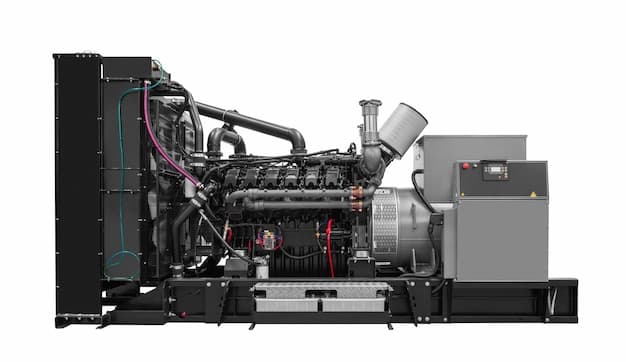
Trane CenTraVac at a glance
The Dovient library currently covers 6 published troubleshooting guides for the Trane CenTraVac, with 41 individual procedure steps distilled from OEM manuals and field experience. On average, a fix on this machine runs 7 steps and roughly ≈1 hr on tools. Complexity is classified as heavy, the average fix on this machine runs multiple hours, touches several sub-systems, and is usually planned work rather than reactive.
Failure modes to watch for
Every guide in the Trane CenTraVac library lists the candidate root causes its procedure rules out. These are the distinct failure modes we've documented so far, a useful starting point if you don't yet know which specific alarm or symptom you're chasing.
Low refrigerant charge from a system leak, reducing heat transfer capacity
Fouled condenser tubes increasing condensing temperature and limiting compressor capacity
Excessive condenser water temperature from a poorly performing cooling tower
Inlet guide vane or variable speed drive not opening fully to meet load
Chilled water supply setpoint deadband too narrow, causing rapid start-stop hunting
System load below the chiller minimum stable capacity, triggering surge protection shutdown
Faulty chilled water supply temperature sensor giving unstable feedback to the controls
Inadequate chilled water loop volume providing too little thermal flywheel effect
Tools you'll need most
These tools are referenced most often across the Trane CenTraVac troubleshooting guides. If you service this equipment regularly, keep them on the cart.
Sources we cite for this machine
Every procedure on Dovient is cross-checked against published sources. These are the references cited most often in the Trane CenTraVac guides.
- cited 6×
Trane CenTraVac Chiller Operation and Maintenance Manual
Trane (Trane Technologies)
Every published guide for this machine
How to fix high approach temperature on a Trane CenTraVac chiller
A rising approach temperature means heat transfer is degrading. On the condenser side this is almost always tube fouling. On the evaporator side it can also be low refrigerant charge. Calculate both approach temperatures from the operating log and address the affected side.
How to stop compressor short cycling on a Trane CenTraVac chiller
Short cycling at low load means the chiller is hunting around its setpoint or the system load is below the minimum stable capacity. Widen the chilled water setpoint deadband and check the inlet guide vane minimum stop.
How to diagnose frequent fault alarms on a Trane CenTraVac chiller
Multiple spurious alarms usually point to a single faulty sensor or a wiring issue sending bad data to the controls board. Cross-check each alarmed sensor reading against an independent instrument before replacing the controls board.
How to fix high discharge pressure on a Trane CenTraVac chiller
High discharge pressure is almost always fouled condenser tubes or non-condensable gas in the refrigerant circuit. Calculate approach temperature first, then clean tubes or purge non-condensables as indicated.
How to fix low cooling output on a Trane CenTraVac chiller
Low cooling output is most often a low refrigerant charge or fouled condenser tubes. Check the approach temperature across the condenser, read the operating log for refrigerant suction and discharge pressures, and contact a licensed refrigerant technician if charge is suspect.
How to respond to an oil level alarm on a Trane CenTraVac chiller
A low oil alarm means the compressor sump is not maintaining adequate oil level. Check the oil return system and oil separator before adding oil, since adding oil to a system with a return problem only delays the next alarm.
Frequently asked questions
What are the most common Trane CenTraVac problems?
The most frequently reported issues on the Trane CenTraVac include how to fix high approach temperature on a trane centravac chiller, how to stop compressor short cycling on a trane centravac chiller, how to diagnose frequent fault alarms on a trane centravac chiller. Each has a step-by-step troubleshooting guide on this page.
How long does a typical Trane CenTraVac repair take?
Repair time depends on the failure mode. Routine adjustments typically take 30-90 minutes; component replacements run 2-4 hours; major overhauls can take a full shift or more. The procedures linked above list estimated time per problem.
Can these procedures be done by an in-house technician?
Most procedures on this page are designed for a qualified in-house maintenance technician with the listed tools and parts. Procedures requiring OEM-only access (firmware updates, factory calibration) are flagged in the safety warnings.
Are these guides verified against OEM documentation?
Every procedure cites the source manuals, service bulletins, or published references it draws from. The Trane CenTraVac guides cross-check against 1 source(s) cited above.
Images on this page sourced from Freepik. Credits: dasun404malaka, czdistagon.