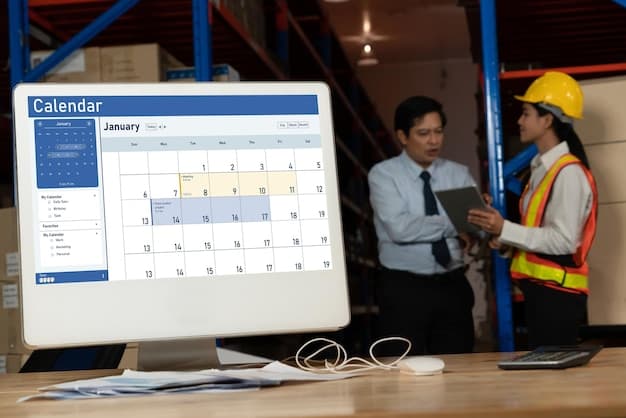
Manufacturing plants operate in an unforgiving environment. Equipment runs continuously, bearing loads it was designed to handle and sometimes much more. When a critical machine fails unexpectedly, it doesn't just break down-it cascades through your entire operation, halting production lines, disappointing customers, and hemorrhaging money.
Yet despite this reality, countless plants still operate on a "fix-it-when-it-breaks" mentality. They react to failure instead of preventing it. The cost? Industry data shows that reactive maintenance is 5-10 times more expensive than preventive maintenance, and reactive downtime is unpredictable, uncontrolled, and devastating.
This comprehensive guide explores preventive maintenance (PM) in depth-what it is, why it matters, how to build a world-class program, and how to evolve beyond prevention into the future of manufacturing maintenance. Whether you're managing a small plant or a sprawling industrial complex, the principles in this guide will help you transform maintenance from a cost center into a competitive advantage.
What is Preventive Maintenance?
Preventive maintenance is a planned, scheduled approach to maintaining equipment before failure occurs. Instead of waiting for a machine to break and then fixing it, preventive maintenance follows a set schedule based on time, usage, or condition to perform inspections, adjustments, and replacements.
Think of your equipment like your body. You don't wait until you have a heart attack to start eating healthy and exercising. You engage in preventive health practices-regular check-ups, exercise, good nutrition-to prevent that crisis from happening. Preventive maintenance works the same way.
Key Characteristics of Preventive Maintenance:
- Scheduled: Maintenance activities occur on predetermined dates or usage intervals
- Planned: Work is organized in advance with parts, labor, and resources allocated
- Documented: Every action is recorded for history and analysis
- Proactive: The goal is to prevent failure, not respond to it
- Cost-effective: Lower total cost of ownership compared to reactive maintenance
The Maintenance Strategy Spectrum
Why Preventive Maintenance Matters
The Hidden Costs of Reactive Maintenance
When equipment fails unexpectedly, the costs extend far beyond the repair itself. Production lines halt, creating a ripple effect across your entire operation. Customers receive late deliveries. Employees sit idle. Emergency parts carry premium pricing. Overtime wages spike as technicians work around the clock to restore operations.
A single unplanned failure can cost more than months of preventive maintenance. For critical equipment, an unexpected breakdown might cost hundreds of thousands of dollars in lost production alone.
The Benefits of Preventive Maintenance
- Increased Uptime: Equipment operates reliably when you need it, with fewer unplanned shutdowns
- Extended Equipment Life: Regular maintenance keeps machinery in peak condition, extending its operational lifespan
- Improved Safety: Well-maintained equipment is safer equipment, reducing workplace accidents and injuries
- Better Inventory Management: Planned maintenance allows you to stock parts strategically instead of emergency purchasing
- Lower Energy Costs: Properly maintained equipment operates more efficiently, consuming less energy
- Predictable Budgeting: Scheduled maintenance has predictable costs, enabling accurate financial planning
- Improved Quality: Equipment in peak condition produces higher-quality products with fewer defects
- Data and Insights: Documented maintenance creates historical records that inform asset management decisions
Core Elements of a Preventive Maintenance Program
1. Equipment Inventory and Documentation
You can't maintain what you don't know about. Start by creating a comprehensive inventory of all equipment, including specifications, age, condition, criticality, and maintenance history. Assign unique identifiers to each asset for tracking.
2. Maintenance Scheduling
Establish maintenance schedules based on:
- Manufacturer recommendations and guidelines
- Equipment age and condition
- Production schedules and downtime windows
- Historical failure data
- Regulatory requirements
3. Work Orders and Task Lists
Create detailed work orders specifying exactly what maintenance tasks need to be performed, what parts are required, how long the work should take, and any safety precautions. Clear instructions enable efficient execution and consistency.
4. Parts and Inventory Management
Maintain a strategic inventory of critical spare parts. Stock levels should balance availability against storage costs. Parts needed for preventive maintenance should always be in stock to avoid delays.
5. Skilled Maintenance Team
Preventive maintenance is only as good as the people performing it. Invest in training, certifications, and skill development. A well-trained maintenance team identifies emerging issues before they become failures.
6. Documentation and Record-Keeping
Every maintenance activity should be documented: what was done, when, by whom, what was found, what was replaced, and how long it took. This data becomes invaluable for trend analysis and decision-making.
7. Performance Metrics and Analysis
Track key metrics like Mean Time Between Failures (MTBF), Mean Time To Repair (MTTR), equipment uptime percentage, and maintenance costs. Use this data to continuously improve your program.
PM Program Maturity Model
How to Build and Implement Your Preventive Maintenance Program
Step 1: Assess Your Current State
Begin with a comprehensive audit of your current maintenance practices. Identify which equipment is most critical to operations. Analyze historical failure data if available. Understand your maintenance team's current capabilities and capacity.
Step 2: Define Critical Equipment
Not all equipment is equally important. Some failures cause minor disruptions; others halt production entirely. Classify equipment by criticality and focus your initial PM efforts on the most critical assets. This focuses resources where they provide the greatest return.
Step 3: Establish Maintenance Schedules
Start with manufacturer recommendations, then adjust based on your specific operating conditions. Equipment operating in harsh environments may need more frequent maintenance than the manufacturer's baseline. Conversely, equipment used less intensively might require less frequent service.
Step 4: Create Work Orders and Task Lists
Document exactly what needs to be done for each maintenance task. Include: estimated duration, required parts and tools, safety precautions, quality checkpoints, and reference materials. Clear documentation enables consistency and helps new team members learn.
Step 5: Implement a Maintenance Management System
While paper-based systems can work for small operations, a Computerized Maintenance Management System (CMMS) provides significant advantages: automatic scheduling, work order generation, parts tracking, historical data, and reporting. Modern CMMS systems are affordable and user-friendly.
Step 6: Train Your Team
Your maintenance team is the backbone of your PM program. Provide training on new procedures, equipment, and systems. Invest in certifications and skill development. A well-trained team catches emerging issues and performs work reliably and safely.
Step 7: Monitor, Measure, and Continuously Improve
Track key performance indicators (KPIs) like equipment uptime, mean time between failures (MTBF), maintenance costs, and labor hours. Use this data to identify trends and opportunities for improvement. Continuously refine your schedules and processes based on real-world results.
The P-F Curve: When Preventive Maintenance Should Occur
Moving Beyond Preventive Maintenance: Predictive and Prescriptive Approaches
While preventive maintenance represents a significant improvement over reactive approaches, manufacturing is evolving toward even more sophisticated strategies.
Predictive Maintenance (PdM)
Predictive maintenance uses real-time data from sensors and monitoring systems to determine equipment condition and predict when failure might occur. Instead of maintaining on a fixed schedule, you maintain only when data indicates failure is approaching. This maximizes equipment life while minimizing unnecessary maintenance work.
Technologies enabling predictive maintenance include vibration analysis, thermography, oil analysis, ultrasound monitoring, and AI-powered analytics. The investment in monitoring infrastructure pays off through reduced maintenance costs and improved uptime.
Prescriptive Maintenance
Prescriptive maintenance takes prediction one step further. It not only predicts when failure will occur, but also prescribes the optimal intervention-what to do, when to do it, and how to do it to maximize overall equipment performance and minimize total costs. This requires advanced analytics, machine learning, and optimization algorithms.
The Maintenance Evolution
Most organizations start with reactive maintenance (respond to failures), evolve to preventive maintenance (scheduled maintenance), and gradually progress toward predictive maintenance as they invest in monitoring technology and analytics capabilities. Few organizations have reached full prescriptive maintenance, but this represents the future of industrial maintenance.
Overcoming Common PM Implementation Challenges
Challenge 1: Lack of Management Support
Solution: Demonstrate the financial case. Show the cost of downtime, the expense of reactive repairs, and the ROI of preventive maintenance. Share industry benchmarks. Once management understands the economics, support typically follows.
Challenge 2: Insufficient Skilled Labor
Solution: Invest in training and development. Consider bringing in external expertise initially while building internal capabilities. Create apprenticeship programs to develop the next generation of maintenance technicians. Well-trained teams are more efficient and catch emerging issues.
Challenge 3: Scheduling Conflicts with Production
Solution: Coordinate maintenance schedules with production planning. Perform PM during planned downtime, shift transitions, or low-production periods. For critical equipment, schedule maintenance during scheduled production shutdowns.
Challenge 4: Parts and Supply Chain Issues
Solution: Develop strategic relationships with suppliers. Maintain appropriate inventory of critical spare parts. Use demand forecasting to anticipate parts needs. For long-lead-time items, plan maintenance around expected delivery dates.
Challenge 5: Inconsistent Execution
Solution: Use detailed work orders, checklists, and standardized procedures. Implement a CMMS to ensure nothing falls through the cracks. Regular audits and quality checks ensure work is performed to standard.
Frequently Asked Questions
1. How much should we budget for preventive maintenance?
2. What's the difference between preventive and predictive maintenance?
3. How do we determine the right maintenance schedule for our equipment?
4. What should we track in a preventive maintenance program?
5. Do we need a CMMS (Computerized Maintenance Management System)?
6. How long does it take to see results from a PM program?
Conclusion: Preventive Maintenance as Competitive Advantage
Preventive maintenance is fundamental to world-class manufacturing. It's not an expense-it's an investment that pays enormous returns through reduced downtime, extended equipment life, improved quality, and predictable costs.
The difference between plants that operate with reactive maintenance and those with strong PM programs is the difference between chaos and control. Plants with strong PM programs plan their maintenance. They know what work is coming. They stock the right parts. They schedule their teams. When maintenance happens, it's organized and efficient.
Plants with reactive maintenance constantly fight fires. Unexpected breakdowns dictate the maintenance schedule. Emergency parts cost double. Overtime explodes. Quality suffers. Customers become frustrated. The organization is perpetually stressed.
The good news? This problem is solvable. Start with the fundamentals. Build a comprehensive inventory of your assets. Establish maintenance schedules based on manufacturer recommendations and your operating conditions. Create clear work orders and documentation. Invest in your team's training and development. Implement a system to track and measure results. Then continuously improve based on what you learn.
You don't need to be perfect from day one. Start with your most critical equipment. Get that right. Then expand. Build momentum. Over time, as your organization matures, you can evolve toward predictive maintenance and advanced analytics.
But start with preventive maintenance. It's proven, it works, and it will transform your operation from reactive firefighting to proactive excellence.
Related Articles
Ready to Transform Your Maintenance Program?
Dovient specializes in helping manufacturing plants build world-class preventive maintenance programs. We provide assessment, strategy, implementation support, and ongoing optimization.
Get Your PM Assessment